

Below you’ll find a detailed what is insurance expense in accounting description of each one as well as detailed accounting examples for each. In most cases, this is the correct entry to book, however, in certain transactions we are paying upfront for the right to use an asset or receive a service over a defined period of time. Prepaid expenses represent expenditures that have not yet been recorded by a company as an expense, but have been paid for in advance. In other words, prepaid expenses are expenditures paid in one accounting period, but will not be recognized until a later accounting period.
What Is Considered Full Coverage Insurance in Florida?

Prepaid insurance refers to an amount paid in advance for an insurance policy, covering a period that extends into future months or years. Essentially, it is an insurance premium that has been paid ahead of time before the coverage is actually used. For example, a business or individual may pay an insurance premium for a 12-month policy, but the amount is recorded in the accounting books as prepaid insurance, which is considered an asset.
Prepaid Expenses
Note that in this example we established a short-term and long-term prepaid component because the initial payment was for a two-year subscription. The long-term subscription prepaid represents the value of the subscription paid for in advance beyond 12 months and is amortized at the beginning of the subscription term. The proceeding amortization schedule illustrates the appropriate amortization of the short-term and long-term portions of the prepaid subscription. Look for accounting software or tools that integrate with your existing systems. This will allow for smoother data flow and make reconciliation much less painful. The insurance industry is https://icasmmt.com/the-5-best-ways-to-make-payments-to-foreign-3/ increasingly using automation to streamline processes and improve accuracy.
Unearned Premium Liabilities: What Are They?

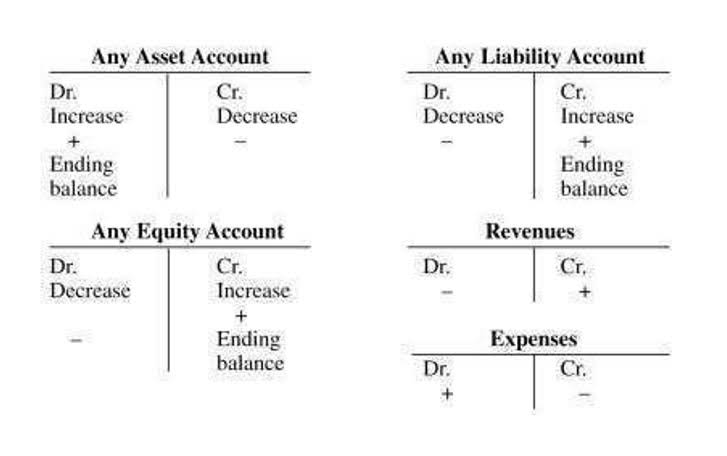
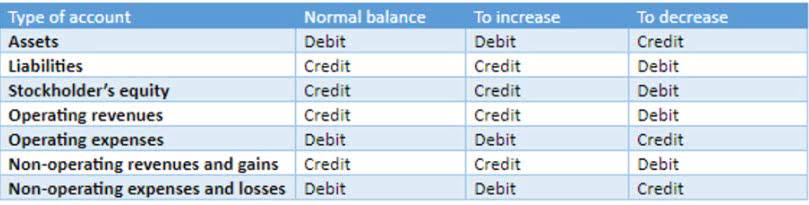
It is classified as a current liability on the balance sheet, since payment for such costs often needs to be made on an assets = liabilities + equity annual basis. In personal financial statements, prepaid insurance is typically treated similarly to business accounting. However, individuals usually do not need to make periodic journal entries for prepaid insurance. Instead, they may simply track the prepaid amount and adjust their records monthly.
Talk to a Sage Expense Management Specialist
- Building leases, insurance, subscriptions, utilities, and office supplies may be classified as a general expense or administrative expense.
- Additionally, case studies often explore the role of reinsurance in risk management and financial reporting.
- As time passes, the prepaid insurance is gradually expensed on the income statement, which reduces the asset on the balance sheet.
- One significant aspect highlighted in these case studies is the importance of accurate premium recognition and loss reserving.
- All information published on this website is provided in good faith and for general use only.
At E3 Bookkeeping, we offer a comprehensive range of accounting services designed to streamline your financial management. Our experienced team can handle the recording of employee benefits, ensuring accuracy, compliance, and peace of mind. Recording employee benefits accurately is an essential aspect of maintaining healthy and compliant financial records for your business. At the end of each month, record the total cost of the health insurance plan as a debit to the “Health Insurance Expense” account. Even if you don’t pay the actual premium until later, this reflects the cost you incurred for that month. For example, if you purchase 12 months of insurance, divide your lump sum payment by 12 to determine the cost of one month’s insurance premium.
- The premiums paid for this protection are significant business costs that require proper classification for accurate financial reporting and tax compliance.
- Because the coverage continues over time, the expense should be recognized over time rather than a lump sum.
- Proper classification affects financial statements, tax filings, and business transparency.
- By the end of this article, you will have a comprehensive understanding of insurance expense and how to control it to ensure financial stability.
- They are measured at their historical cost, the amount paid at the time of purchase.
What is revenue account of insurance company?

Businesses should retain copies of insurance policies, premium invoices, and proof of payment to substantiate deductions and disclosures. Organizing records by policy type, coverage period, and expense category streamlines reporting and prevents discrepancies. In financial reporting, insurance expenses often fall under selling, general, and administrative (SG&A) expenses but may also be allocated to specific departments or cost centers. For example, workers’ compensation insurance is recorded as part of payroll expenses, while property insurance may be assigned to facility costs. Businesses following International Financial Reporting Standards (IFRS) must adhere to similar principles, ensuring expenses are recognized in the appropriate accounting period. Businesses track various expenses to manage finances effectively, and insurance expense is one of them.